Exit Planning · Legacy Planning · Ownership Transfer
What you built deserves a worthy next chapter.
Six million businesses will face ownership transitions by 2035. Most will close. Steward Advisory Group exists to change that outcome, for the owners who built something real and the buyers ready to carry it forward.
This is not just exit strategy. It is community preservation.
When a business transfers well, a community keeps what it has. When it closes without a plan, everyone loses. We serve both sides of every transfer: the owners who deserve to exit on their terms, and the buyers ready to carry something forward.
Own
For Aspiring Owners
The door is open. Do you know how to walk through it?
Millions of profitable businesses are changing hands as baby boomers retire. Buying an existing business means day-one cash flow, a built customer base, and a trained team. Most people have no idea this path exists.
Exit planning, valuation, deal structuring, legacy planning, trust and estate strategy, tax planning, and post-close continuity. We build the plan your business deserves and stay with you through every step.
By 2035, approximately six million small and medium businesses will face ownership transitions as baby boomers retire. More than one million are viable candidates for sale, representing up to five trillion dollars in enterprise value. Today, 92 percent of those exits result in closure. Not because the businesses lack value. Because no plan was ever made. When a business closes instead of transfers, the community loses the employer, the tax base, and the local anchor. The consequences extend far beyond any single transaction.
60M
Workers employed by businesses facing transition
27%
Of owners 55+ have no exit plan at all
Now
Peak transition years are 2024 through 2030
Legacy Planning
Build something worth passing on. Then pass it on well.
Legacy planning is not just for sellers. A buyer who acquires their first business has something to protect that their family has never had before. The questions are the same at every stage of ownership, they just come from different directions.
We help you articulate what the business means, what you want to happen to it, and how to build the financial and legal infrastructure to protect it for the people who come after you.
What do you want your exit to mean? Who is the right buyer? What happens to your employees? Legacy intent shapes every deal structure decision we make on your behalf.
For Buyers
You are not just making an acquisition. You are beginning a legacy. From day one we help you build, protect, and eventually transfer what you are building, with the right estate structure in place from the start.
For Families
Wealth built in one generation rarely survives to the third without intentional planning. Family governance, estate structures, and philanthropic strategy ensure what gets built endures.
"
The financial transaction is the mechanism. Legacy is the motivation. Every business owner we have worked with cares less about the final number than what happens next, to the business they built, the people who built it with them, and the community that depends on it.
Steward Advisory Group
Why Steward
Built differently, for this moment.
Legal and Advisory Together
Our founding team combines exit planning expertise with Harvard-trained M&A legal depth. That combination is rare, and it means your deal has the right counsel at every step without coordinating across firms.
Mission Before Transaction
We measure success by whether the legacy survived, the wealth transferred, and the community kept what it had. The transaction is a means to those ends, not an end in itself.
Business Owners and Buyers, Full Service
We serve both sides of every transfer with the complete advisory stack: exit planning, valuation, legal documentation, trust and estate structures, and tax strategy. No referrals to strangers. One integrated team.
Four-State Coverage
We serve Nevada, North Carolina, Texas, and Virginia, with community bank partnerships that extend our reach into rural markets where the advisory infrastructure has never existed for the owners who need it most.
The window is open. Let's make the most of it.
Whether you are a business owner thinking about your exit or someone ready to step into ownership, the conversation starts here. No pressure. Just clarity.
According to McKinsey, 92 percent of small business exits result in closure rather than sale or transfer, not because the businesses are not worth preserving, but because the planning was never done. We change that outcome. Whether your next chapter means a sale to a third party, a transition to family, or a transfer to a key employee, we work with you from the first conversation through closing and beyond.
A business doing $8M in annual revenue with $1.2M in EBITDA is worth approximately $5M at a 4x multiple. Without a plan, that business is statistically likely to close when the owner is ready to leave, recovering nothing.
With proper planning, a structured installment sale with seller financing, estate equalization, and an ILIT, the same owner could receive $5.5M or more, pay significantly less in tax by spreading the gain, and protect their spouse's retirement income. The cost of that advisory work is typically recovered many times over in tax savings alone.
$0
Value recovered in an unplanned exit that results in closure
4-5x
Typical EBITDA multiple for a well-prepared small business sale
10x+
Typical return on advisory fees vs. unplanned exit value
1.25x
Minimum DSCR required, well-structured deals comfortably exceed it
Full Service Advisory
Everything you need. One integrated team.
Most advisors hand you off when the deal gets complex. We do not. Our team covers every dimension of the exit, advisory, legal, and tax, and coordinates with your CPA partner so nothing falls through the cracks.
Exit Planning Advisory
Exit Readiness Assessment
Business Valuation
Value Building Strategy
Buyer Identification and Qualification
Deal Negotiation Support
Post-Close Continuity Coaching
Legal Documentation
Letter of Intent and Purchase Agreement
Buy-Sell Agreement
Seller Note Documentation
Representation and Warranty Provisions
Non-Compete and Transition Agreements
Closing Coordination
Legacy and Wealth Strategy
Legacy Intent Facilitation
Irrevocable Life Insurance Trust (ILIT)
Spendthrift and Estate Trusts
Installment Sale Tax Strategy
Charitable Giving Structures
Post-Sale Wealth Transition Advisory
Our Process
From readiness to closing, and everything that comes after
01
Exit Readiness Assessment
A comprehensive diagnostic of your business, what it is worth today, what drives that value, where the gaps are, and what a realistic exit looks like on your timeline and terms. This is the foundation everything else is built on.
02
Value Building and Business Preparation
Most businesses are not ready to sell the day the owner decides to leave. We identify the specific levers, reducing owner dependency, documenting systems, cleaning up financials, shoring up key relationships, that increase transferable value before you go to market.
03
Legacy Intent and Deal Structure
Before we talk price, we talk purpose. What do you want this exit to mean? Are you selling to a third party, transitioning to a family member, or passing the business to a key employee? What happens to your people? What obligations do you feel toward your community? The answers shape every deal structure decision we make.
04
Legal Documentation and Tax Strategy
Our legal team handles buy-sell agreements, purchase agreements, trust structures, and estate planning. Our CPA partners execute the tax strategy, installment sales, charitable vehicles, Roth conversion ladders, that makes sure you keep what you have earned.
05
Close and Transition
We coordinate the closing across all parties, lender, buyer or successor, legal, and tax, and build the transition plan that protects the business, your people, and the relationship through the handoff period regardless of who is taking the reins.
06
Post-Close Continuity
We do not disappear at closing. We stay with you through the transition, helping you navigate what comes after the sale, connect with the right wealth advisors, and honor the commitments you made to your people and your community.
Not Ready for a Full Engagement?
Start with the course. Build the foundation first.
Our self-paced Exit Planning Foundations course covers everything a business owner needs to understand before making the most important financial decision of their life. Six modules, your own timeline.
A business exit is not just a financial transaction. It is the final chapter of a story you have been writing for decades. It deserves to be written well.
Steward Advisory Group
Ready to understand what your exit could look like?
Start with our Exit Readiness Assessment, a comprehensive look at where you are, what your business is worth, and what a plan built around your goals could achieve.
The door is open. Do you know how to walk through it?
Millions of profitable businesses are changing hands as baby boomers retire. Buying an existing business means day-one cash flow, an established customer base, and a proven team. We serve buyers as Advisory Clients, with the same full team as sellers: exit planning insight, legal documentation, and trust, estate, and tax strategy from the first conversation.
Startups have a five-year survival rate of roughly 20 percent. An acquired business with proven cash flow, an existing customer base, and a trained team generates income on day one. With an SBA 7(a) loan requiring as little as 10 percent down, a buyer acquiring a business generating $300,000 in owner income could finance that deal with as little as $100,000 to $150,000 in personal capital.
20%
Startup 5-year survival rate
Day 1
Cash flow from an existing business
10%
Minimum SBA down payment on acquisitions
1.25x
Minimum DSCR, business services its own debt
Full Service for Buyers
You deserve the same team as any seller.
Most buyer support stops at deal evaluation. We go further. As an Advisory Client, you get the complete team, exit planning insight applied to acquisitions, legal documentation, and the trust, estate, and tax strategy that protects what you are building from day one.
Buyer Advisory
Buyer Readiness Assessment
Deal Sourcing Strategy
Financial Analysis and Valuation
Due Diligence Coordination
Capital Stack Navigation (SBA, ROBS, CDFIs)
First-Year Owner Coaching
Legal Documentation
Letter of Intent Guidance
Purchase Agreement Review
Representation and Warranty Review
Transition Services Agreement
Operating Agreement and Entity Structure
Closing Coordination
Legacy and Wealth Strategy
Legacy Planning from Day One
Personal Estate Planning
Trust Structures for Asset Protection
Business Succession Planning
Tax Strategy and Entity Optimization
Generational Wealth Planning
The Buyer Journey
From first conversation to confident owner
01
Buyer Readiness and Education
Before engaging with a specific deal, we assess your readiness, financial profile, credit, capital access, skills match, and risk tolerance. For buyers who want deeper preparation, the Steward Institute offers a structured Fellows Program that most of our advisory buyers complete first.
02
Capital Stack Preparation
We help you understand and build your capital stack, SBA 7(a) loans, seller financing, ROBS retirement fund rollovers, and CDFI community lending programs. Many buyers have significantly more capital available than they realize. We help you find it and structure it properly.
03
Deal Evaluation and Due Diligence
When you identify a business, we run independent financial analysis, assess value drivers and risk factors, and coordinate the full diligence process, legal review, financial reconciliation, operational assessment, and customer concentration analysis. You know exactly what you are buying before you commit.
04
Legal Documentation and Close
Our legal team handles purchase agreement review, representations and warranties, transition services agreements, and closing coordination. We also set up the entity structure and operating agreements that protect you and set the business up to scale.
05
Legacy and Wealth Infrastructure
At closing or shortly after, we build the estate and legacy infrastructure that protects what you have just acquired, trust structures, succession planning, tax strategy, and the generational wealth plan that starts on day one of ownership, not decades later.
06
First-Year Owner Support
Monthly coaching, quarterly financial reviews, access to our alumni peer network, and direct availability of the advisory team throughout the first year. The acquisition is the beginning. We stay with you through the transition and into the growth chapter.
Not Ready to Talk to an Advisor Yet?
Start with the course. Get the foundation first.
Our self-paced Acquisition Essentials course walks you through exactly how to source, evaluate, finance, and close a business acquisition. Eight modules, your own timeline, built for first-time buyers.
Business ownership is the most powerful wealth-building mechanism in the American economy. Buying an existing business is the most de-risked path into it that has ever existed. We make sure you have the team to do it right.
Steward Advisory Group
Ready to explore what ownership could look like for you?
Whether you are actively looking at a deal or just beginning to think about this path, the conversation starts here.
Keeping business ownership human, local, and generational.
Six million business owners are heading toward the end of their ownership journey without a plan or the support to navigate it. At the same time, millions of people who could be business owners have no roadmap into the opportunity. Steward Advisory Group exists to close that gap.
The Evidence
What McKinsey found, and what it means
A 2026 McKinsey Institute for Economic Mobility report identified what researchers are calling the Great Ownership Transfer, a demographic milestone with consequences for communities, workers, and the future of local economic life across America.
By 2035, approximately six million small and medium businesses will face ownership transitions. More than one million are viable candidates for sale, representing up to five trillion dollars in enterprise value. Today, 92 percent of small business exits result in closure, not because those businesses lack value, but because the planning that would make a transfer possible simply does not exist for most owners. Without significant change, McKinsey warns, this wave could result in widespread economic erosion rather than renewal.
6M
Businesses facing ownership transition by 2035
$5T
In enterprise value at stake, McKinsey, 2026
92%
Of exits today end in closure, not sale
60M
Workers employed by businesses facing transition
The Problem
What happens when nobody plans
When a business closes instead of transferring, the community loses more than an economic unit. It loses the local diner, the contractor who sponsors the little league team, the shop whose owner has been there for thirty years. The human texture of local life erodes, quietly, business by business.
For the owner, the financial stakes are just as stark. A business owner who built a $5M asset over decades and watches it close without a plan recovers nothing. Their retirement depended on a transfer that never happened.
Our Response
A bridge between two generations of owners
We came to this work from two directions. On one side: business owners who built real things and need someone to help them exit on their own terms, protect their legacy, and ensure the wealth they created transfers to the people they love.
On the other: aspiring owners who have the drive, the capital, and the capability to step into ownership but have never had a clear guide for how to do it.
Steward Advisory Group is the bridge. Our advisory practice serves sellers and buyers as Advisory Clients with the full team they deserve. Our nonprofit arm, The Steward Institute, educates and prepares aspiring buyers through a competitive Fellows Program funded by grants and community partners. Together, they keep businesses local, keep ownership human, and keep wealth building across generations.
Three things we will never trade away for a transaction
Legacy
A business is not just a financial asset. It is the embodiment of someone's life work, their relationships, their values, and their community standing. Every exit we advise on honors that. Every acquisition we support carries it forward.
Wealth
Business ownership is the foundational wealth driver in America, with equity, upside, tax advantages, and the potential for generational transfer that no salary can replicate. We believe more people deserve access to that driver. We are building the infrastructure to make it real.
Community
Local business ownership is not just good economics. It is what makes communities worth living in. When dollars circulate locally, when owners know their customers by name, when a business sponsors the school fundraiser, that is community. We protect it deliberately, one ownership transfer at a time.
This mission needs the right partners.
We work with CPAs, community banks, CDFIs, foundations, and fellow advisors who share our belief that local ownership is community wealth. If that sounds like you, we would love to talk.
Preparing the next generation of Main Street owners.
The Steward Institute is the nonprofit arm of Steward Advisory Group, dedicated to expanding business ownership access, preserving local economic anchors, and building the buyer education infrastructure this moment demands but the market has never provided.
The Institute runs a competitive, application-based Fellows Program for aspiring business buyers. Seats are limited and grant-funded. Fellows are different from Advisory Clients, they go through a structured education and community program, not a one-on-one paid engagement.
Fellows and Advisory Clients are not the same thing
Understanding the difference matters. The Steward Institute Fellows Program is a grant-funded, structured education program for aspiring buyers who need education, community, and capital access support before they are ready for a one-on-one advisory engagement. Advisory Clients on the buyer side are further along, they are actively pursuing a specific deal and want the full advisory team behind them.
The Steward Institute
Fellows Program
A structured education program for aspiring business buyers who are building the knowledge, confidence, and capital access to pursue their first acquisition. Seats are competitive, application-based, and grant-funded, meaning most participants pay nothing to attend.
✦Structured 8-module curriculum delivered in a live fellows format
✦Peer accountability and community throughout
✦Alumni mentor matching and post-program support
✦Application-based, limited fellows group size per quarter
✦Grant-funded, most participants attend at no cost
For buyers who are actively pursuing a specific acquisition and want the full advisory team, valuation analysis, due diligence coordination, legal documentation, and trust and estate strategy, behind them. Many Advisory Clients are Fellows Program graduates who are ready to act.
✦One-on-one engagement with the full advisory team
A complete program built for first-generation owners
Our Fellows Program takes aspiring buyers from "I have never thought about this" to closing-ready, with the financial literacy, deal knowledge, peer community, and capital access support to act with confidence.
Foundation Track · Free to All
Is Acquisition Right for Me?
An introduction to entrepreneurship through acquisition, what it is, why buying beats starting from scratch, and how to know if you are ready to pursue it. Available free through our content channels to anyone who is curious.
Fellows Program · Application-Based · Grant-Funded
The Full Acquisition Journey
Eight modules covering deal sourcing, financial analysis, valuation, capital stacks, due diligence, LOI and closing mechanics, and first-year operations. Delivered in fellows group format with peer accountability, live deal review, and direct access to the Steward advisory team.
Industry Tracks
Healthcare · Construction · Professional Services · Retail
Sector-specific deep dives covering what is unique about buying and operating businesses in each industry, licensing, valuation nuances, operational dynamics, and due diligence that a general program cannot cover.
Post-Fellows
First-Year Owner Circle
Monthly peer group for first-year owners, guest workshops on cash flow management and people leadership, alumni mentor matching, and continued connection to the Steward community. The support that every new owner needs and most never find.
Who the Fellows Program Serves
Built for buyers who have not seen themselves in this role before
Urban Buyers
First-generation wealth builders in Black, Latino, and other communities who have the drive and the capital but need the knowledge, the network, and the confidence to act on this opportunity.
Rural Buyers
Community members in small towns who want to keep local businesses local but have never had access to the advisory infrastructure to make that happen. The Fellows Program meets them where they are.
Veterans and Women
Buyers with strong leadership foundations and real capability who face structural barriers to capital access and have rarely seen pathways into business ownership modeled for people like them.
Fund a fellows seat. Change a trajectory.
The Steward Institute is funded by foundations, CDFIs, corporate partners, and community banks who believe local ownership is community wealth. Every grant funds a Fellows seat for someone who could not otherwise access it.
We came to this work from two directions and arrived at the same conclusion.
For over a decade, our founding advisor worked in education, helping students access opportunity and closing gaps that should not exist. That work mattered. But it surfaced a harder truth: educational access alone does not build wealth. The real wealth driver in America, the one with equity, upside, and generational staying power, is business ownership. And the pathway into that has never been as clear or as accessible as it should be.
"I have watched people who built real things, good businesses, real community anchors, face the most important financial decision of their lives without a plan, a team, or anyone who truly understood what was at stake."
We also know firsthand what it looks like when an acquisition goes wrong, when a business built on relationships and values gets absorbed by buyers with no community connection, and the culture, the people, and the purpose get optimized away.
Why We Built This
Those two experiences pointed us toward the same gap from opposite directions.
Millions of business owners, people who built real things in real communities, are heading toward exits with no plan and no support. And millions of potential buyers, people with the drive, the capability, and the capital, do not know this opportunity exists or how to walk through the door.
Steward Advisory Group exists to close that gap. To make sure what gets built stays local. To make sure wealth transfers to the next generation. To make sure the businesses that give communities their character do not quietly disappear while we are not paying attention.
We are not just facilitating transactions. We are protecting the connective tissue of community life, one ownership transfer at a time.
We bring together exit planning expertise, M&A legal depth, and a nonprofit infrastructure built specifically for buyer education and community ownership, because this moment requires more than any single advisor can offer alone.
The Team
The people behind the work
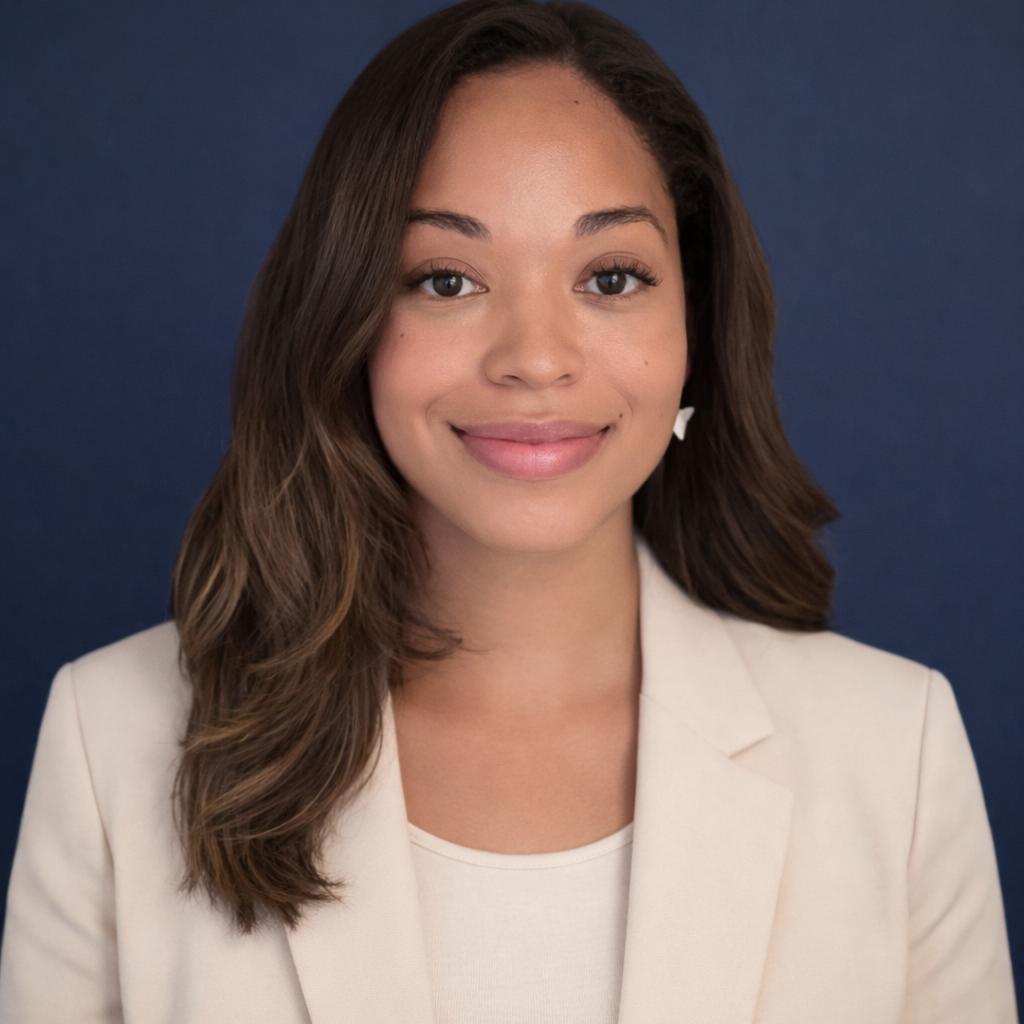
Sheila Armand
Founder · Exit Planning Advisor
B.A., Columbia University
M.Ed., Curriculum and Instruction, UNLV
For over a decade Sheila has worked directly with executives, senior leaders, and high-performing adults in the education sector, developing the leadership capacity and organizational systems that drive measurable outcomes. In that work she managed some of her organization's highest-revenue client relationships, stewarding multimillion-dollar contracts at the highest level of expectation.
That career gave her a precise understanding of how adults learn, how leaders make decisions under pressure, and what it takes to move someone from intention to action. It also surfaced a harder truth. Better access to education and professional development opens doors, but research consistently shows it does not, on its own, close the wealth gap. Business ownership is where equity is actually built, where income compounds into assets, and where wealth transfers across generations.
The data makes the gap plain. Most business owners, regardless of background, do not have an exit plan or the advisory team to execute one. The Exit Planning Institute estimates that only 32 percent of owners have a documented exit plan, and McKinsey warns that the coming generational wave of business transfers may result in widespread economic erosion rather than renewal if that does not change. The stakes are highest for owners in rural markets and underrepresented communities, where the advisory infrastructure has historically been thinnest, but the opportunity, and the need, belongs to every owner who has built something worth protecting.
She founded Steward Advisory Group to meet that demand. Her advisory methodology draws on extensive coursework through the Exit Planning Institute, the leading authority on exit planning education since 2005, and is shaped by a career built on one discipline: teaching high-performing adults to execute at the highest level. Las Vegas based. Mission driven.
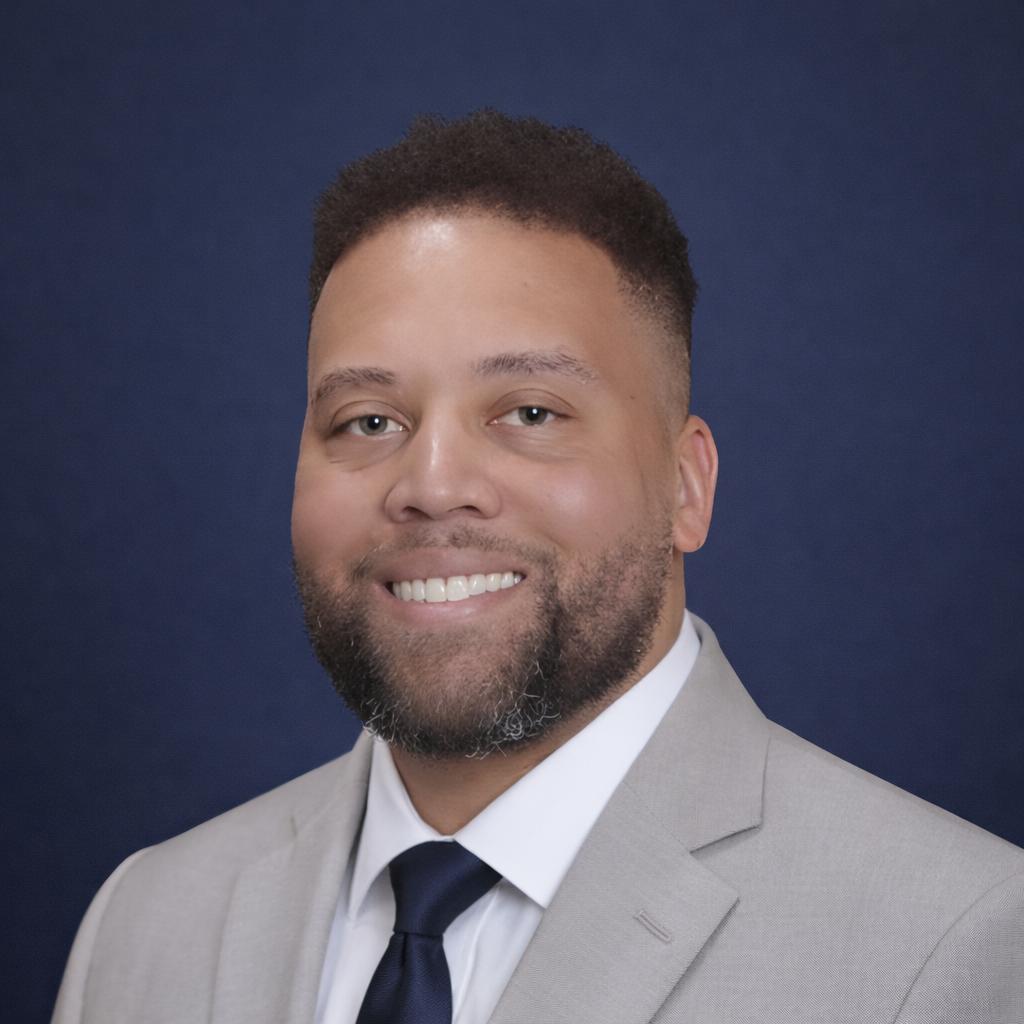
Ray Palmer
Co-Founder · M&A and Estate Planning Attorney
B.A., Harvard University
J.D., Harvard Law School
Ray provides the legal infrastructure that most exit planning engagements are missing. A seasoned M&A and estate planning attorney, he brings deep expertise in deal structuring, trust architecture, tax strategy, and the legal mechanics of ownership transfer. He handles the documentation and deal structures that protect what sellers have spent a lifetime building and set buyers up to grow from day one.
As a business owner and father of two daughters, Ray thinks about these questions personally as well as professionally. He has spent his career mastering the legal and financial vehicles that create generational wealth and lasting legacy, and he founded Steward in part because he wanted to put that expertise to work for people navigating the same decisions he thinks about for his own family.
His practice is built on a simple conviction: the right structure, put in place at the right time, changes what a business is worth and what it can become for the people who come after you.
Advisory Network
Transaction CPAs and specialist partners
We work with a curated network of transaction-focused CPAs, SBA lenders, and industry specialists, bringing the right expertise to every engagement without adding overhead to our clients.
+
CPA Partner
Transaction Tax Strategy
Nevada
Coming Soon
+
CPA Partner
Transaction Tax Strategy
North Carolina
Coming Soon
+
SBA Lending Partner
Acquisition Financing
Community Banking
Coming Soon
Let's talk about what you are building, or leaving behind.
Whether you are a business owner thinking about your next chapter or someone ready to step into ownership for the first time, we would love to hear your story.
What every business owner and aspiring owner should know
Practical insight on exit planning, business acquisition, legacy planning, and what it takes to keep local business ownership alive in American communities.
Stay Informed
Insight for owners and aspiring owners
Monthly perspective on exit planning, business acquisition, and keeping local ownership alive, delivered directly to your inbox. No noise. Just substance.
Interactive Tools
Free tools to help you understand your situation, your options, and what a plan could look like.
Interactive Tool
What do you want your wealth to do in the world?
Legacy Planning · Free Tool
Legacy Planning Questionnaire
Eight minutes. Nine questions. A personalized summary of your most significant legacy planning gaps and the questions worth bringing to an advisor. Built for both wealth protectors and first-generation builders.
Take the Questionnaire →
AI-Powered Tool
Is buying a business right for you?
For Buyers · Free Assessment
Buyer Fit Assessment
Seven questions about your income, capital, industry interest, and risk profile. In under five minutes, get a personalized financial scenario showing what ownership could look like for you, Year 1 through post-debt-payoff, compared to your current salary.
Take the Assessment →
From the Steward Journal
Perspective on the decisions that define what you build and leave behind
In-depth articles on exit planning, business acquisition, valuation, and the wealth and legacy questions every owner should be thinking about.
The Exit Most Owners Never Plan For
For Business Owners · Exit Planning
92% of Business Exits End in Closure. Here is Why, and How to Be in the 8%.
Most business owners assume they will sell when the time comes. The McKinsey data tells a different story. What the research says about why exits fail and what the ones that succeed have in common.
Read the Article →
The Opportunity Most People Do Not Know Exists
For Buyers · Acquisition
Why Buying a Business Is the Most Underrated Path to Wealth in America
Entrepreneurship through acquisition, buying an existing, cash-flowing business, is the most de-risked entry point into ownership available. Here is what the numbers actually look like.
Read the Article →
What We Lose When Local Businesses Close
Community · Mission
The Great Ownership Transfer and the Future of Main Street
Six million businesses will change hands or close by 2035. What that means for communities, for workers, and for the human texture of local life, and what a better outcome looks like.
Read the Article →
What Your Business Is Actually Worth
For Business Owners · Valuation
EBITDA, SDE, and Multiples: A Plain-Language Guide to Business Valuation
Most business owners have never had a formal valuation done. Here is what the numbers mean, how buyers think about price, and what drives value up or down before you go to market.
Read the Article →
How to Buy a Business With Less Cash Than You Think
For Buyers · Financing
SBA Loans, Seller Financing, ROBS, and CDFIs: The Capital Stack Explained
The down payment barrier is real, but smaller than most buyers assume. A breakdown of every capital source available to first-time buyers and how to combine them effectively.
Read the Article →
Legacy Is the Motivation. The Transaction Is the Mechanism.
Legacy Planning
The Question Most Advisors Never Ask: What Do You Want Your Exit to Mean?
The financial transaction is the easy part. The harder and more important question is what you want to happen to the business, the people, and the community you have built over decades.
Read the Article →
Case Study
The Garcia Family: What a planned exit actually looks like
Ramon Garcia founded a commercial HVAC company in Las Vegas 30 years ago. At 64, he was approaching the end of his ownership journey with 34 employees, a business worth between $4,800,000 and $6,000,000, and no plan for what came next. His wife Linda had always assumed the business was their retirement. Their son Marcus worked in the business but had never said whether he wanted to own it.
Business Value at Exit
$5.4M
Achieved through a structured, planned sale
Tax Liability Reduction
$380,000
Saved through deal structure and estate strategy
Employee Retention
34 of 34
Committed to by the buyer as a condition of the deal
What Was at Stake
Without a plan, Ramon faced the outcome that claims 92 percent of business exits. A business worth millions, statistically likely to close. Thirty-four people whose livelihoods depended on decisions that had never been made. A retirement that existed on paper but not in practice. And a family that had never had the conversation about what happened next.
What Changed
We started with a formal valuation and a honest conversation about what Ramon actually wanted this exit to mean. The buyer who ultimately acquired the business was a local operator chosen in part because he shared Ramon's values. Every employee was retained. The deal structure protected Linda's retirement and reduced their combined tax liability by $380,000. The business stayed in Las Vegas.
"I built this for 30 years. I just wanted to know the people who showed up for me every day would be okay, and that what we built would keep going. That was the whole thing."
Ramon Garcia, Founder
Get In Touch
The conversation starts here.
Whether you are a business owner thinking about your exit, someone ready to step into ownership, a potential partner, or a funder aligned with our mission, we would love to hear from you.
Where We Work
Nevada
Primary advisory market. Las Vegas home base.
North Carolina
Expansion market. Raleigh Research Triangle focus.
Texas
Statewide advisory engagements.
Virginia
Statewide advisory engagements.
Rural Markets Nationwide
Via community bank partnerships.
What to Expect
1
We respond within 48 hours
Every message is read personally by our founding team.
2
A 30-minute introductory call
No pressure. Just a conversation to understand your situation and whether we are the right fit.
3
A clear path forward
If we are the right fit, we outline exactly what working together looks like, timeline, scope, and what to expect at every step.